
The Carleton Student’s Guide to Shared Living: Roommate Matching, Suite Layouts, and Conflict-Free Housing
Discover how modern student housing in Ottawa optimizes shared living. Learn how professional roommate matching and individual leases create a more secure experience near Carleton University.
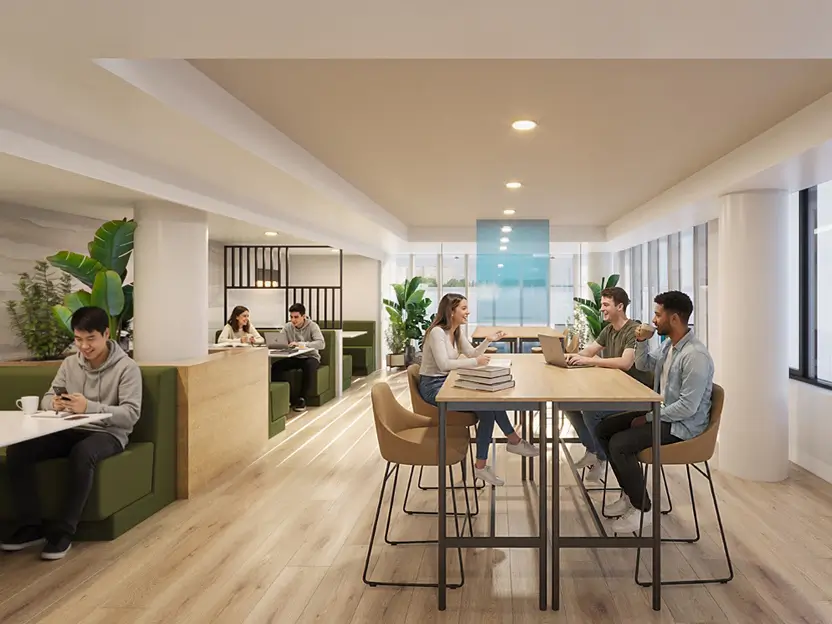
Navigating student housing in Ottawa has undergone a fundamental shift in 2026. With fluctuating real estate markets and rising academic pressures, shared living remains the most practical strategy for Carleton University students looking to balance housing affordability with academic performance. However, traditional shared rentals—often characterized by informal leases and unvetted roommates—present substantial legal, financial, and interpersonal risks.
This comprehensive guide explores the realities of modern student living in Ottawa, detailing how data-driven roommate matching algorithms, private multi-bedroom suite layouts, and individual lease security are transforming the post-secondary housing experience.
What is the State of the 2026 Ottawa Student Housing Market?
The Ottawa rental market in 2026 presents what housing economists term a "rental paradox." While the overall citywide vacancy rate sits between 2.7% and 3.0%, entry-level and affordable housing remains critically constrained. For units priced within the typical student budget range ($1,000 to $1,249 per month), the vacancy rate drops to approximately 0.5%, according to The Revalie Blog.
Approximately 91% of Canadian post-secondary students rely on the "shadow rental market," which consists of private basement units, duplexes, and investor-owned condominiums. Meanwhile, Ottawa's Purpose-Built Student Accommodation (PBSA) provision rate stands at just 6.8%, meaning about 15 students compete for every dedicated, purpose-built bed.
The Economic Case for Shared Student Apartments
Living alone is financially prohibitive for the vast majority of undergraduates. In 2026, solo one-bedroom apartments in the city average between $1,900 and $2,400 per month. By contrast, choosing a private bedroom in a shared purpose-built suite reduces monthly housing costs by 40% to 50% ($950 to $1,350 per month), saving students an estimated $7,000 to $10,000 annually.
How Does Algorithmic Roommate Matching Work?
Finding compatible housemates is one of the most critical determinants of academic success and mental well-being. A 2026 study highlights that 51% of post-secondary students prioritize single-room privacy and lifestyle alignment to preserve their mental health (The Revalie Blog).
The Risks of DIY Roommate Hunting
In the traditional shadow market, students typically rely on unvetted social channels like Facebook housing groups or Kijiji to find rooms for rent near Carleton University. This ad-hoc approach presents severe risks:
Zero Identity Verification: Increases exposure to fraudulent sublets and scams.
Lifestyle Mismatches: Random pairings frequently result in mid-term conflicts over cleaning schedules, noise, and overnight guests.
No Mediation Recourse: Landlords in private rentals are not obligated to mediate interpersonal disputes.
Profile-Driven Matching in Modern PBSA
Modern purpose-built student communities replace guesswork with algorithmic, profile-driven matching systems (Student Housing Burnaby). Before placement, incoming residents complete comprehensive compatibility questionnaires that evaluate:
Sleep Schedules (Chronotypes): Early risers are paired together, ensuring night owls do not disrupt morning study routines.
Study Habits: Students in intensive academic programs can be matched with peers who share similar quiet-hour requirements.
Cleanliness Standards: Baseline expectations are set for maintaining shared kitchens and common areas.
Social Preferences: Clear boundaries are established regarding weekend hosting, introversion/extraversion levels, and guest frequency.
What is Bathroom Parity in Suite Architecture?
The physical design of a student suite plays a direct role in mitigating roommate friction. Modern purpose-built multi-bedroom suites are engineered to balance social connection in shared areas with absolute acoustic and spatial privacy in personal quarters.
In traditional off-campus houses, four or five roommates often share a single bathroom, creating morning bottlenecks and constant cleaning disputes. Contemporary student communities resolve this through bathroom parity layouts—such as 3-bed/3-bath and 4-bed/4-bath configurations—where every private bedroom features a dedicated ensuite bathroom (The Revalie Floor Plans).
Conflict-Eliminating In-Suite Features
Modern student housing providers integrate specific architectural elements to foster peaceful shared living:
Individual Electronic Locks: Bedrooms feature private electronic fob access to ensure personal security.
In-Suite Laundry: Integrated washers and dryers eliminate off-site trips and laundromat scheduling conflicts.
Pre-Furnished Specifications: Including desks, ergonomic chairs, and common room furnishings removes the friction of negotiating joint furniture purchases.
How Individual Leases Protect Your Financial Security
One of the most profound risks in shared student living involves the misunderstanding of Ontario tenancy law regarding lease structures.
The Danger of Joint and Several Liability
Under the standard Ontario Residential Tenancies Act (RTA) lease used in private rentals, all co-signers are viewed as a single legal entity (LawyerInfo Ontario). This creates 100% joint and several liability. If one roommate drops out of school or defaults on rent, the landlord can legally demand the full balance from the remaining roommates or their parental guarantors. Furthermore, if one tenant causes serious damage triggering an eviction notice, the landlord can legally terminate the entire tenancy, evicting innocent roommates alongside the offender (LawyerInfo Evictions Guide).
The Individual Lease Advantage
Purpose-Built Student Accommodations utilize individual "by-the-bed" lease agreements (The Revalie 770 Brookfield Guide).
Feature | Joint Lease (Traditional Rentals) | Individual Lease (PBSA) |
|---|---|---|
Financial Liability | 100% Joint & Several Liability | 100% Individual Liability |
Roommate Rent Default | Remaining tenants must cover the missing rent | Zero financial impact on other suite residents |
Damage in Common Areas | Landlord can pursue all lease signers | Assessed only to the responsible party |
Guarantor Risk | Parent liable for entire unit's rent ($3,000+) | Parent liable only for student's room (~$1,100) |
How Do Managed Communities Prevent Roommate Conflict?
A successful shared living experience requires active operational structures. Unlike absentee landlords in the shadow market, managed communities utilize a robust conflict-prevention ecosystem:
Structured Roommate Agreements: Upon move-in, residents formalize rules for quiet hours, pantry division, and guest limits.
Professional Mediation: Full-time, on-site Community Ambassadors step in to mediate disputes objectively. If irreconcilable lifestyle incompatibilities occur, management can facilitate internal room transfers without breaking the primary lease.
In-Suite Housekeeping Services: Because cleanliness is the leading cause of roommate arguments, premium student properties often provide routine housekeeping for shared kitchens and living rooms, maintaining a hygienic, study-ready environment.
Spotlight: Secure, Purpose-Built Living at The Revalie
For students seeking premium student apartments for rent in Ottawa, The Revalie represents the city's premier purpose-built accommodation. Located at 770 Brookfield Road, this community is specifically designed to serve Carleton University students through a conflict-free, highly structured living environment.
The Revalie addresses the student housing supply crunch through its Phase 2 expansion, bringing capacity to approximately 1,410 students (The Revalie 770 Brookfield Guide). Residents benefit from a dedicated, complimentary private campus shuttle that runs every 30 minutes, resulting in a seamless 12-minute commute to campus.
Beyond exceptional suite layouts boasting bathroom parity, The Revalie provides over 80,000 sq. ft. of student-focused amenities. This includes 20,000 sq. ft. of dedicated study lounges and a 7,500 sq. ft. state-of-the-art fitness centre (Narcity Review). Its turnkey value proposition means monthly leases bundle contemporary furniture, in-suite laundry, high-speed Wi-Fi 6, tenant insurance, and common area housekeeping into one predictable payment (The Revalie Smart Alternative Guide).
Summary Checklist for Carleton Students Seeking Shared Housing
Before signing a lease for student apartments for rent in Ottawa, Carleton students should evaluate their options using this criteria:
Verify the Lease Structure: Ensure you are signing an individual lease to isolate your financial liability, rather than a joint lease that exposes you and your guarantors to a roommate's default.
Demand Roommate Vetting: Choose communities that utilize a systematic, data-driven compatibility questionnaire over unverified social media classifieds.
Prioritize Bathroom Parity: Look for multi-bedroom suites that offer an equal bed-to-bath ratio (ideally private ensuites) to prevent morning bottlenecks.
Evaluate All-Inclusive Elements: Calculate the true cost of living by checking if furniture, high-speed Wi-Fi, and on-campus transit are bundled into the rent.
Confirm On-Site Governance: Ensure there is 24/7 on-site professional management available to handle emergency maintenance and mediate potential roommate disputes.
By leveraging algorithmic matching, demanding architectural privacy, and insisting on individual lease agreements, students can transform shared living from a potential liability into a dependable, academically supportive foundation.