
Student Housing Ottawa: 2026 Guide for Carleton, uOttawa and Algonquin Students
Find the best student housing Ottawa offers in 2026. This guide covers rent prices, top neighbourhoods, and transit tips for Carleton, uOttawa, and Algonquin students looking for premium apartments. Secure your ideal living space today.
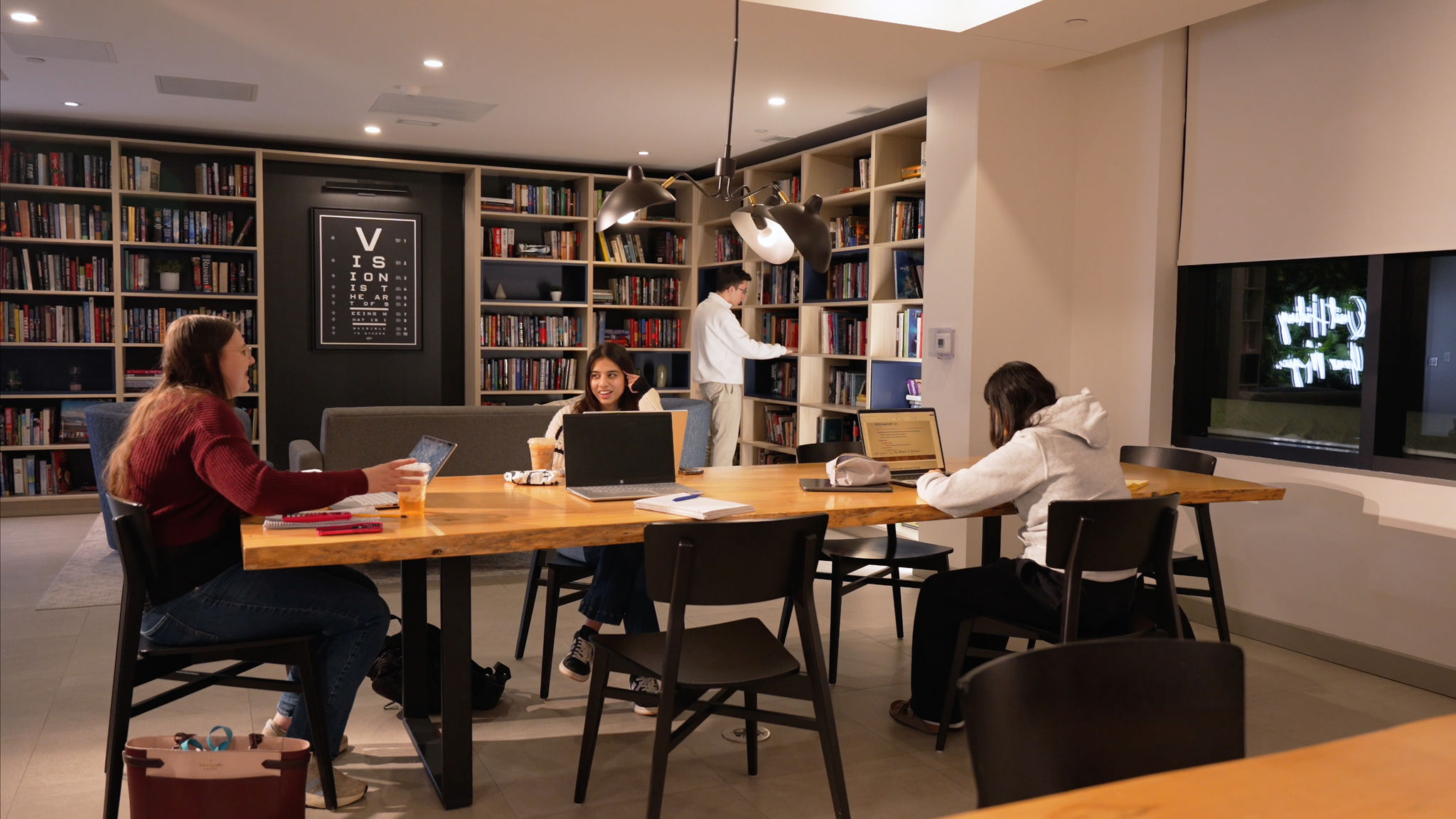
Navigating the search for student housing Ottawa offers can be a complex process, especially with the city's rapidly evolving real estate landscape. As of June 2026, students preparing for the upcoming academic year face a highly competitive market. Whether you are looking for student apartments Ottawa wide, or a specific student residence Ottawa provides near your campus, understanding neighbourhood dynamics, transit updates, and pricing is essential.
This comprehensive guide compares Ottawa student housing rentals by campus, commute, rent ranges, and living styles to help Carleton University, University of Ottawa (uOttawa), and Algonquin College students make informed decisions for 2026.
What is the State of Student Housing in Ottawa for 2026?
The 2026 rental landscape in Ottawa is currently experiencing a "multifamily rebalancing," according to Marcus & Millichap. While the city has seen its largest rise in new rental supply in nearly 50 years, the market remains exceptionally tight for students.
Demand for student living Ottawa options continues to outpace supply. The overall vacancy rate sits at 2.7%, but for affordable units in the $1,000–$1,249 price range, vacancy drops to a mere 0.5% Neobanc. Furthermore, Ottawa currently has a provision rate of only 6.8% for Purpose-Built Student Accommodation (PBSA), meaning there are roughly 15 students competing for every one dedicated bed RAYSolute Consultants.
Experts note that this shortage impacts the broader city. Ladan Hosseinzadeh Sadeghi, CEO of Sky Property Group, emphasizes that when students cannot find affordable, secure, and dignified housing near their campus, they burden a rental market that is already stretched beyond capacity Ladan Sadeghi.
Average Rent for Student Apartments in Ottawa
Budgeting accurately is the first step in securing your ideal accommodation. As of mid-2026, the median city-wide rent is $2,099 per month Zumper.
Here is a breakdown of average monthly rent estimates by unit type for 2026:
Unit Type | Average Monthly Rent (CAD) | Description |
|---|---|---|
Private Room (Shared House) | $750 – $1,100 | Traditional multi-bedroom houses shared among 4+ students. |
2-Bedroom (Per Person) | $1,000 – $1,400 | Splitting a standard apartment with one roommate. |
Studio (Furnished/PBSA) | $1,575 – $2,000 | All-inclusive, purpose-built student units. |
1-Bedroom Apartment | $1,900 – $2,400 | Private traditional apartments. |
Best Neighbourhoods by Campus
Choosing the right neighbourhood depends heavily on which institution you attend. Here is a breakdown of the top areas for 2026.
Carleton University
Carleton students primarily reside in the south and central-west areas of the city, balancing proximity with transit access.
Mooney’s Bay / Riverside: This area offers a perfect balance of nature (beach access) and rapid transit to campus via the O-Train Line 2. It is also home to premium PBSA options like The Revalie, which provides fully furnished apartments designed specifically for students.
Old Ottawa South: Considered the "gold standard" for proximity, it is a 10-minute walk to campus. However, it features higher rents, with a median 2-bedroom costing $1,979 CMHC.
Carlington: A more affordable alternative with direct bus routes to Carleton and lower median rents (approximately $1,400 for a 1-bedroom) Ali Realty.
University of Ottawa (uOttawa)
Located right downtown, uOttawa students prioritize walkability and urban convenience.
Sandy Hill: The primary student hub. It is steps from campus but dominated by older, subdivided Victorian homes. The median 2-bedroom rent here is $2,000 CMHC.
ByWard Market: Ideal for students seeking nightlife and urban culture. It is a 5–10 minute walk to campus but can be noisy ALMA.
Lowertown: Offers slightly more affordable options than Sandy Hill while remaining within walking distance to classes.
Algonquin College
Algonquin is largely a commuter campus, with housing concentrated in Ottawa's West End.
City View / Crestview: Quiet, residential neighbourhoods within walking distance to the Woodroffe campus.
Centrepointe: Highly popular for its proximity to the Baseline transit station and local amenities.
How is Transit Impacting Student Living in Ottawa?
The completion of O-Train Stage 2 milestones has significantly altered student commute patterns in 2026, making previously distant neighbourhoods more viable.
Line 2 (Trillium Line): Now fully operational, this line provides a critical link for Carleton students living in the south (such as Mooney's Bay and Riverside), allowing them to reach campus in under 10 minutes.
Line 1 East Extension: Having achieved substantial completion in March 2026, trial running is currently underway, connecting Orléans directly to the downtown core and uOttawa OC Transpo.
Line 1 West Extension: Construction continues through late 2026, with a handover to the city expected in Q2 2027. Algonquin students currently rely on the Baseline bus rapid transit hub City of Ottawa.
Purpose-Built Student Accommodation (PBSA) vs. Traditional Rentals
In 2026, Purpose-Built Student Accommodation (PBSA) has emerged as the preferred choice for students seeking a "frictionless" living experience compared to traditional residential leases.
The PBSA Advantage
PBSA properties are designed from the ground up for student life.
All-Inclusive Pricing: These communities cover rent, high-speed internet, and all utilities in one bill. This protects students from the 25% "turnover rent spikes" common in traditional units The Charlatan.
Modern Amenities: 2026 trends show high demand for smart-home technology, EV charging stations, and dedicated "deep study" zones Propmodo.
Community & Security: Unlike traditional apartments, PBSA properties offer professional management, secure entry systems, and social programming designed to combat student isolation.
For example, The Revalie provides Carleton students with a premium off-campus community that bundles fully furnished suites with extensive amenities, removing the stress of setting up utilities or buying furniture.
Traditional Rentals
While traditional rentals offer architectural variety and can be cheaper if sharing a large house with four or more roommates, they come with drawbacks. Students often face hidden costs (heating and hydro can add $150+ per month), a lack of security, and "anonymous landlords" who may be slow to perform repairs Ottawa Citizen. Furthermore, Aidan Kallioinen, CUSA Vice-President, notes that students are heavily impacted by "vacancy decontrol," where landlords can raise rents without limit once a student tenant moves out The Charlatan.
2026 Summary Checklist for Students
To secure the best student housing Ottawa has to offer, follow this 2026 checklist:
Start Early: Begin your search in January–March for leases starting in September.
Calculate Total Cost: If choosing a traditional rental, ensure you factor in utilities, internet, and furniture costs.
Verify Transit: Check the updated 2026 O-Train map to ensure your chosen neighbourhood has a direct, reliable link to your campus.
Consider PBSA: For a premium, all-inclusive experience near Carleton University, explore communities like The Revalie as a modern, secure alternative to traditional dorms or subdivided houses.
By understanding the current market data and neighbourhood benefits, you can find the perfect Ottawa student housing rentals to support your academic journey in 2026.