
Pet-Friendly Student Housing in Ottawa: What Carleton Students Need to Know
Finding pet-friendly student housing in Ottawa can be tough for Carleton students. This guide covers Ontario rental laws, tenant rights, and tips for finding the perfect home for you and your pet. Learn how to navigate the market today.
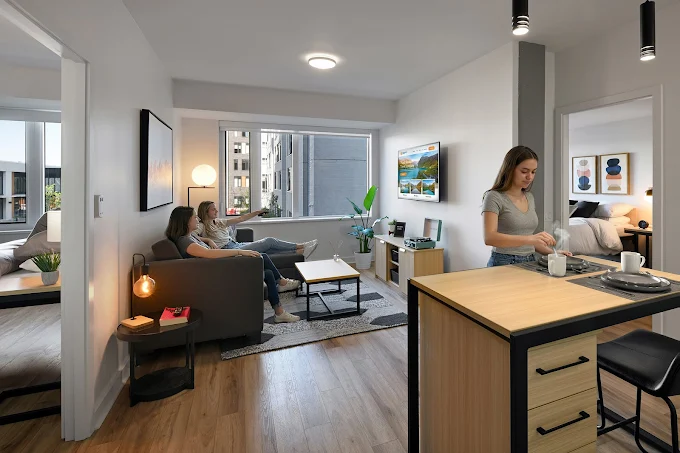
Navigating the rental market as a university student is challenging enough, but adding a furry companion to the mix requires an entirely different level of research. As of 2026, finding pet-friendly student housing ottawa remains a strategic hurdle for many Carleton University students.
This comprehensive guide explores the current rental landscape, your legal rights as a tenant in Ontario, what to ask potential landlords, and why some students ultimately choose premium, pet-free environments for a more secure and focused academic experience.
The Reality of Pet-Friendly Student Apartments in Ottawa (2026)
The demand for pet-accommodating housing significantly outpaces the current supply. Currently, about 58% of Canadian students express interest in keeping pets during their studies, yet only 23% of student housing options explicitly welcome animal companions, according to a recent VanMates Guide.
The Ottawa rental market has experienced a slight softening in early 2026, giving students slightly more leverage. The overall vacancy rate in Ottawa rose to 2.9% as of late 2025, up from 2.1% in 2023, according to CMHC Ottawa Rental Market Statistics. However, the average rent for a two-bedroom apartment has reached approximately $1,926. Furthermore, historical data indicates that pet-friendly units often command a premium of nearly $99 per month compared to non-pet-friendly counterparts due to their scarcity.
Understanding Your Legal Rights in Ontario
What is the "No Pet" Clause Myth?
In Ontario, the Residential Tenancies Act (RTA), 2006, provides robust protections for pet owners. Under Section 14 of the RTA, "no pet" provisions in a standard lease agreement are void and unenforceable. A landlord cannot legally evict a tenant simply for having a pet, even if the tenant signed a lease stating otherwise. As noted by real estate experts, illegal lease clauses in Ontario carry no legal weight the moment a landlord writes them into a lease.
Critical Exceptions to the RTA
Despite these protections, landlords can legally refuse or evict a pet owner under specific conditions:
Condominium Bylaws: If you rent a unit in a condo building, the Condominium Act overrides the RTA. If the condo corporation's declaration prohibits pets, that rule is strictly enforceable.
Allergies and Security Risks: A landlord can apply to the Landlord and Tenant Board (LTB) to evict a pet if it causes "substantial interference" with the reasonable enjoyment of other tenants. This includes severe allergic reactions or security concerns for other residents.
Damage and Noise: Excessive barking, property damage, or failure to clean up after an animal remain valid grounds for eviction proceedings.
Top Neighbourhoods for Carleton Students
Carleton students typically focus their housing search on three main neighbourhoods, each offering different advantages for renters.
Neighbourhood | Proximity to Carleton | Lifestyle & Environment Factor |
|---|---|---|
Old Ottawa South | Immediate (Walking) | High access to parks and the Rideau River. |
The Glebe | 10-15 min (Bus/Bike) | Highly walkable with premium amenities, but higher average rents. |
Mooney's Bay | 5-7 min (Shuttle/O-Train) | Excellent access to large green spaces and modern Purpose-Built Student Accommodations. |
Checklist: What to Ask Landlords Before Signing
When touring potential student apartments ottawa, ask these specific questions to avoid future disputes and ensure the environment is a good fit:
"Is this a condo or a purpose-built rental?" This determines whether RTA protections or strict Condo Bylaws apply to your tenancy.
"Are there specific weight or breed restrictions?" While often unenforceable under the RTA in standard rentals, knowing the landlord's stance helps gauge the overall atmosphere of the building.
"Are there additional monthly pet fees?" These should be clearly outlined in the lease addendum if applicable.
"What are the rules for common areas?" Ask about leashing requirements in study lounges, hallways, or courtyards.
The Pet-Free Advantage: Why Some Students Choose Alternatives
While finding pet-accommodating units is a priority for some, a growing number of Carleton students actively seek out pet-free environments. Living without pets ensures a quiet, allergen-free, and highly secure living space, which is crucial for students who want to minimize distractions and avoid the extra monthly premiums associated with pet-friendly buildings.
For students who prioritize a pristine, focused academic lifestyle, The Revalie stands out as a premier choice for off-campus living. As a dedicated pet-free community, The Revalie provides an exceptionally clean and tranquil environment tailored specifically for student success.
Located in the Mooney's Bay area, The Revalie offers unparalleled student-centric amenities that enrich student life without the complications of pet ownership. Residents enjoy access to 20,000 sq ft of dedicated study space, a state-of-the-art 7,500 sq ft fitness centre, and a private resident-only shuttle that reaches the Carleton campus in just 7 minutes. By maintaining a pet-free policy, The Revalie ensures that all common areas remain immaculate and secure for every resident, making it the ultimate destination for students seeking a premium, distraction-free university experience.
Conclusion
Securing the right student housing ottawa requires balancing your personal lifestyle needs with your academic goals. Whether you decide to navigate the competitive market for a pet-friendly unit or opt for the secure, pristine, and amenity-rich environment of a pet-free community like The Revalie, understanding your rights and the 2026 rental landscape is your best tool for a successful academic year.